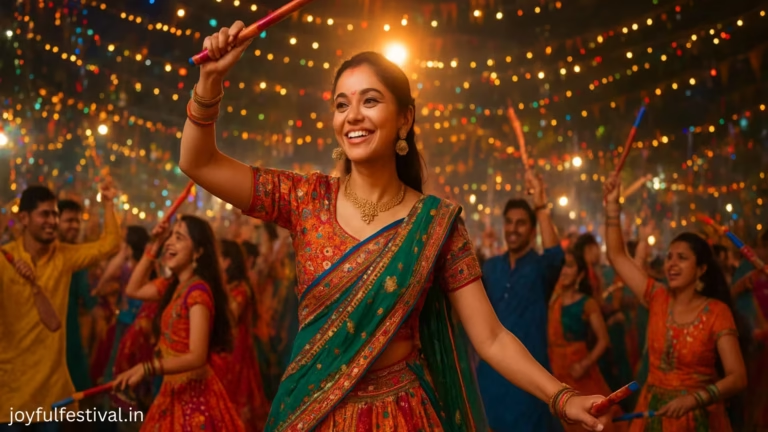
Navratri 2026 will be celebrated from October 11 to October 19, marking one of the most vibrant and spiritually significant festivals in the Hindu calendar. Sharad Navratri, also known as Maha Navratri, spans nine sacred days dedicated to worshipping the nine divine forms of Goddess Durga. From the Energizing Orange of Day 1 to the Divine Peacock Green of Day 9, each Navratri color carries deep spiritual meaning.
Sharad Navratri 2026 will be celebrated from October 11 to October 19, here is the list of colors respective goddesses.
9 days – 9 colors – 9 goddesses
This auspicious festival falls during the autumn season, bringing communities together in celebration of divine feminine energy and cultural traditions. Each of the nine days of Navratri 2026 is associated with a specific color and dedicated to a particular goddess. The festival culminates with Dussehra, celebrating the victory of good over evil.
Quick View: See Full Indian Festivals Calendar 2026.
Sharad Navratri 2026 Date, Goddess & Color Chart
| Date (2026) | Weekday | Navratri Color | Navratri Goddess |
|---|---|---|---|
| 11 October 2026 | Sunday | Orange | Mata Shailputri |
| 12 October 2026 | Monday | White | Mata Brahmacharini |
| 13 October 2026 | Tuesday | Red | Mata Chandraghanta |
| 14 October 2026 | Wednesday | Royal Blue | Mata Kushmanda |
| 15 October 2026 | Thursday | Yellow | Mata Skandamata |
| 16 October 2026 | Friday | Green | Mata Katyayani |
| 17 October 2026 | Saturday | Grey | Mata Kalaratri |
| 18 October 2026 | Sunday | Purple | Mata Mahagauri |
| 19 October 2026 | Monday | Sky Green | Mata Siddhidatri |
During Sharad Navratri 2026 alignment of dates with these traditions gives devotees a clear guide for rituals, fasting, and festive celebrations. The practice of following the Navratri 2026 colour list not only adds vibrance to the occasion but also deepens the spiritual connection with each divine form of Goddess Durga.
The festival concludes with Vijayadashami (Dussehra) on October 20, 2026, a day that honors the victory of Goddess Durga over the demon Mahishasura, symbolizing the power of shakti and the defeat of arrogance and darkness. This divine triumph is remembered as the ultimate expression of feminine strength protecting the balance of the universe.
The festival also reflects Lord Ram’s Dharmavijaya against Lankapati Ravan, reminding us that even great wisdom and devotion can be overshadowed by a single lapse of ego, and that dharma ultimately prevails.
Significance of Each Day's Color
9 days – 9 colors- 9 goddesses:
Day 1: Orange – Maa Shailputri
Orange, a vibrant color of energy and enthusiasm, sets the tone for the nine-day celebration. Devotees wear orange on the first day to invoke positivity, courage, and new beginnings. Mata Shailputri, the daughter of the mountains and the first form of Goddess Durga, represents stability and strength. Culturally, this day signifies the start of a spiritual journey with optimism and determination. Navratri 2026 Day 1 is celebrated with prayers for prosperity and harmony in personal and family life.
Day 2: White – Maa Brahmacharini
White represents purity, peace, and meditation. On the second day of Navratri 2026, devotees honor Mata Brahmacharini, who embodies penance and devotion. The white color symbolizes the inner calm needed to strengthen discipline and spiritual focus. Culturally, this day is associated with prayers for wisdom and emotional balance. It’s also a day where fasting and simple living are observed, emphasizing self-control and spiritual growth.
Day 3: Red – Maa Chandraghanta
Red is the color of power, passion, and bravery. Devotees wear red on Day 3 to honor Mata Chandraghanta, who is known for her warrior form and protective energy. This goddess signifies courage in the face of challenges and instills a fearless attitude in her devotees. The cultural meaning of wearing red is to channel inner strength and remove negativity. Celebrations on this day highlight prayers for protection, determination, and the ability to overcome obstacles.
Day 4: Royal Blue – Maa Kushmanda
Royal Blue signifies depth, stability, and divine energy. On this day, devotees worship Mata Kushmanda, believed to be the creator of the universe through her cosmic smile. The blue color represents calmness and wisdom, reflecting the goddess’s nurturing and creative power. Culturally, this day is about acknowledging abundance and gratitude for the universe’s gifts. The fourth day of Navratri 2026 is celebrated with prayers for health, vitality, and prosperity.
Day 5: Yellow – Maa Skandamata
Yellow radiates happiness, clarity, and divine blessings. Devotees wear yellow to honor Mata Skandamata, the mother of Lord Kartikeya (Skanda). This goddess represents maternal love, compassion, and protection. The cultural symbolism of yellow ties to fertility, joy, and positive energy in homes. On this day, families celebrate by seeking blessings for children and loved ones, marking Navratri 2026 Day 5 as a celebration of warmth and togetherness.
Day 6: Green – Maa Katyayani
Green symbolizes growth, prosperity, and harmony with nature. On Day 6, devotees wear green to honor Mata Katyayani, a fierce warrior goddess who destroyed the demon Mahishasura. She is worshipped for strength, courage, and success in overcoming life’s battles. Culturally, green reflects renewal, balance, and fertility. The celebrations focus on prayers for marriage, relationships, and a peaceful family life.
Day 7: Grey – Maa Kalaratri
Grey represents balance and transformation, embodying both calmness and power. On this day, devotees worship Mata Kalaratri, the fiercest form of Goddess Durga who destroys ignorance and removes fear. The cultural meaning of grey lies in finding strength during uncertainty and accepting change as part of growth. Day 7 of Navratri 2026 is celebrated with prayers for inner courage, protection from negativity, and spiritual awakening.
Day 8: Purple – Maa Mahagauri
Purple is associated with dignity, wisdom, and prosperity. On the eighth day, devotees wear purple to worship Mata Mahagauri, known for her purity, compassion, and serene beauty. She blesses her followers with forgiveness, calmness, and fulfillment of desires. The cultural essence of purple reflects devotion with respect and spiritual richness. Day 8 celebrations are often marked with Kanya Pujan, symbolizing divine feminine power and blessings for prosperity.
Day 9: Peacock Green – Maa Siddhidatri
Sky Green reflects freedom, openness, and divine blessings. On the ninth and final day, devotees honor Mata Siddhidatri, who bestows supernatural powers and grants perfection to her devotees. The color embodies healing, balance, and growth, perfectly aligning with the goddess’s role as a granter of siddhis (spiritual powers). Culturally, Day 9 signifies the completion of the spiritual journey of Navratri 2026, celebrated with gratitude, devotion, and the hope of new beginnings.
Navratri 2026: Quick Facts
- Duration of Festival: Sharad Navratri 2026 will be observed for 9 consecutive days, from October 11 to October 19, followed by Vijayadashami (Dussehra) on October 20, 2026.
- Regional Celebrations: While Navratri is widely celebrated across India, traditions vary by region. In Gujarat, grand Garba and Dandiya nights dominate the festivities, while in West Bengal, the focus is on Durga Puja, with elaborate pandals and idol immersions. Northern states emphasize Ramlila performances and Dussehra fairs.
- Key Rituals: Across nine days, devotees perform daily pujas, recitations of Durga Saptashati, fasting, and aarti. Special rituals like Kanya Pujan on the 8th or 9th day highlight the reverence for the divine feminine. Each day’s Navratri colors 2026 play a central role in dressing, offerings, and temple decorations.
- Fasting & Celebration Guidelines: Devotees often follow strict fasting rules during Navratri — avoiding grains, onion, and garlic while consuming fruits, milk, and vrat-friendly recipes. Fasting is not only about diet but also about spiritual discipline, prayer, and self-control. Celebrations extend into cultural events, music, and dance, making Navratri both devotional and festive.
link to fasting
- Auspicious & Inauspicious Periods: The period just before Navratri, known as Pitru Paksha, is traditionally considered inauspicious for new ventures or major purchases. In contrast, the time after Pitru Paksha (i.e. Navratri) is considered auspicious.
- Shopping & Auspicious Purchases: Navratri and Dussehra are considered highly favorable for buying gold, silver, vehicles, and new household items. Many families plan major purchases during this period, believing it brings prosperity and blessings. The festive season also sparks a wave of shopping for traditional attire, jewelry, and home décor, making Navratri 2026 one of the most vibrant times for both devotion and celebration. It is also considered favorable day to begin new journeys, start businesses, or make important life decisions.
JF’s Concluding Ode
In Navratri’s bright sacred light,
Nine colors make spirits take flight.
With Durga’s pure flame,
Dussehra proclaims,
That dharma will always win right.
We can conclude that Navratri 2026 promises to be a spiritually enriching celebration from October 11 to 19. With this complete guide to Navratri colours 2026, devotees can now plan their nine-day journey with confidence. Whether you’re observing fasts, participating in Garba celebrations, or seeking spiritual growth, may the blessings of all nine forms of Goddess Durga bring prosperity and joy to your Navratri 2026 celebrations.
ALSO READ:
- Janmashtami 2026 Date and Midnight celebrations
- Jain festival of forgiveness – Samvatsari details
- Raksha Bandhan 2026: Tithi & Shubh Muhurat