Did you know there are secret Diwali customs even most Indians haven’t heard of?
While Diwali is universally known for lights, sweets, and fireworks, many ancient Indian families follow mysterious and powerful rituals passed down through generations.
As we celebrate Diwali marking the return of Lord Ram to Ayodhya after defeating Rawan.
Lets dive in 10 secret Diwali rituals that are still practiced — but rarely spoken about. Some are spiritual, others superstitious — but all are fascinating.
Also Read: The festival of victory – Vijaydashmi
10 Secret Diwali Pujan & Rituals You Didn’t Know About:
#1 – Choti Diwali Ghost Stories (Narak Chaturdashi)
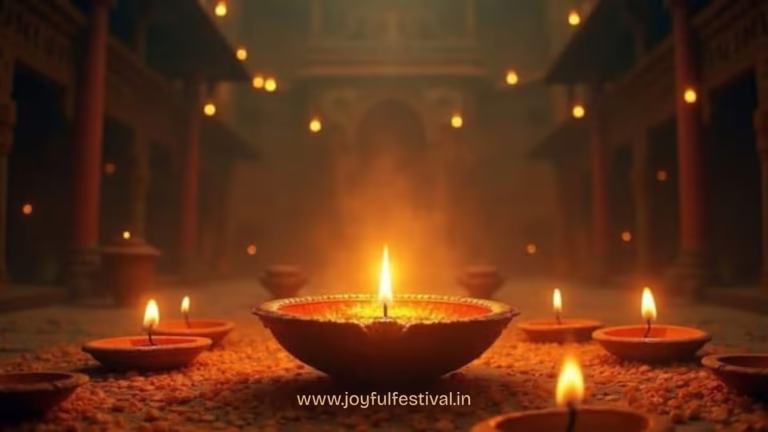
In villages across Rajasthan and Maharashtra, people light 13 extra diyas on Choti Diwali to ward off evil spirits.
Elders tell tales of Narakasura’s defeat, and in some homes, these diyas are placed near doorways and water pots to protect from negative energies.
#2 – Coconut & Nails in the Fire (Kali Chaudas)
In parts of Gujarat, Kali Chaudas is not just about cleaning homes — it includes burning a coconut pierced with nails at midnight.
This tantric ritual is believed to destroy bad luck and drive away jealous energies.
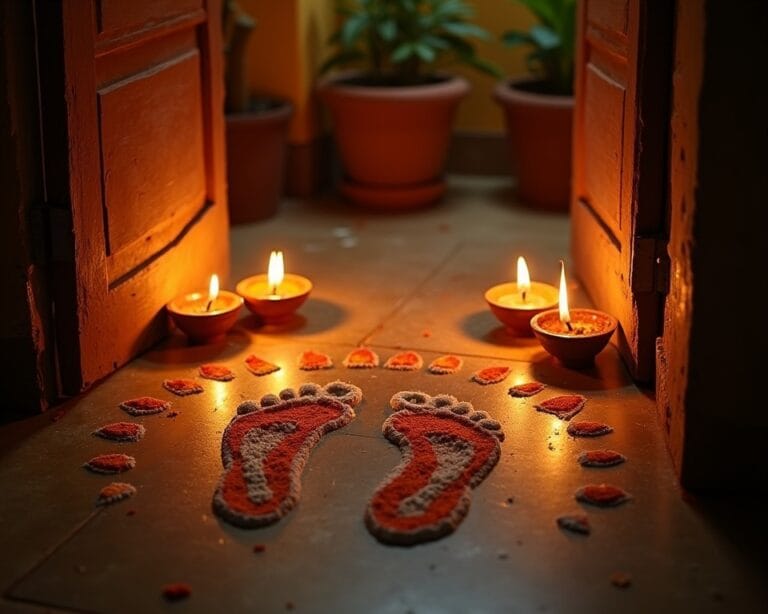
#3 – Laxmi Footprints from Main Door to Temple
In Tamil Nadu and parts of Karnataka, families draw tiny Laxmi footprints with rice paste or turmeric — leading from the main entrance to the prayer area, symbolizing the goddess entering the home.
#4 – Hidden Rice Offering under Tulsi Plant
On Diwali night, some families place raw rice mixed with turmeric under the Tulsi (Holy Basil) plant.
This hidden ritual is a tribute to ancestors, asking for protection and guidance.
#5 – Trading First Note with Gold Coin
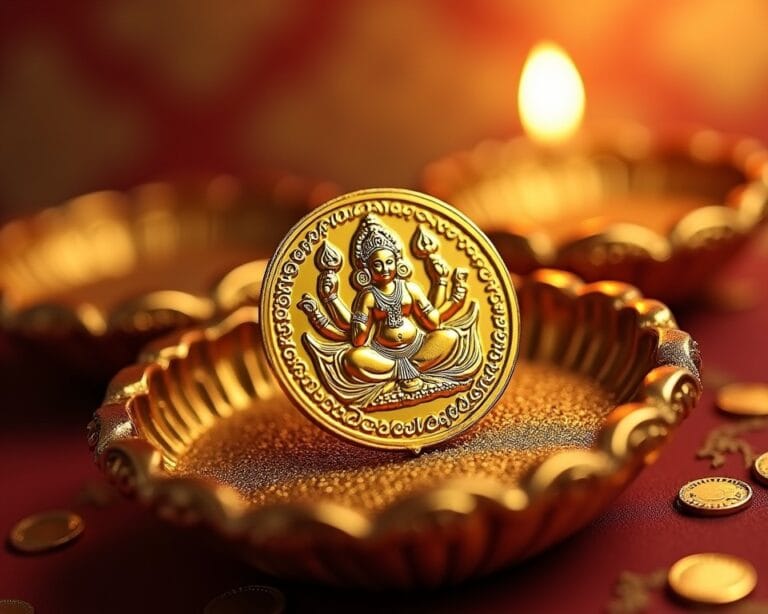
In Mumbai and Surat, businessmen perform a small but powerful Dhanteras ritual: trading the first currency note of the day with a gold or silver coin, silently praying for doubled profits in the coming year.
👉 Learn the wealth-inviting traditions of Dhanteras.
#6 – Midnight Temple Visits
In spiritual towns like Haridwar and Varanasi, a handful of families visit temples exactly at midnight.
They believe Goddess Laxmi appears briefly between midnight and 1 AM, blessing those who come in silence.
This stems from deep-rooted spiritual beliefs and local customs. Though not mainstream or widely publicized, it is more of an esoteric or family-passed tradition
💡 Did You Know?
Not Just Hindus, Diwali is celebrated by others too
Diwali isn’t just a Hindu festival — Jains and Sikhs celebrate it too, BUT with very different meanings.
FOR JAINS:
- Diwali isn’t just about Lakshmi nor fireworks, it’s the day Lord Mahavira attained Nirvana (liberation) in 527 BCE at Pavapuri in Bihar. (as explained by JainWorld.org)
Lamps of Knowledge: Diyas are lit to symbolize the inner light of wisdom, not material prosperity.
Silent Reflection: Jain families read sacred scriptures like the Uttaradhyayana Sutra and avoid loud celebrations.
Fasting & Meditation: Many Jains fast, meditate, or perform Pratikraman (spiritual introspection) on this day.
FOR SIKHS: Bandi Chhor Diwas
It commemorates Guru Hargobind Ji’s release from prison in 1619, along with 52 unjustly jailed kings. (according to SikhiWikhi)
Known as the Day of Liberation, it stands for freedom and justice.
Golden Temple glows with lights, kirtan is sung, and langar is served to all — a true spirit of equality.
🪔 One festival, many meanings — Diwali unites India through light, but tells many powerful stories.
#7 – Mantra Chanting in the Dark
Shocked?
Yes, it’s real!
Certain Brahmin families in Bengal and Odisha chant “Shree Sooktam” or tantric mantras in complete darkness, with no lights or diyas — only silence.
It’s believed this enhances wealth attraction and removes obstacles.
#8 – Avoiding Hair Wash & Cutting
In Northern India and Bihar, there’s a strong superstition: don’t cut your nails or hair on Diwali; it’s believed to offend Goddess Lakshmi, who may leave your home if insulted.
#9 – Secret Food Fasting Before Bhog
In some parts of South India, families fast quietly before offering bhog to the goddess.
No food is eaten until the Naivedya is offered to Lakshmiji.
#10 – Silent Prayer Circles with Diyas
In certain ashrams and spiritual homes, silent group meditations are held with diya circles — a meditative practice where no one speaks, just the glow of flickering lights and internal reflection.
Regional Importance Across India
In addition to these rituals, Diwali is celebrated with a variety of local rituals that are special to certain states and communities Different states celebrate Diwali in unique ways, reflecting their traditions and beliefs.
Tamil Nadu – Naraka Chaturdashi Emphasis
In Tamil Nadu, Diwali is celebrated primarily on Naraka Chaturdashi, a day before the North Indian main Diwali day. The focus is on the victory of Lord Krishna over the demon Narakasura. People begin celebrations with early morning oil baths, wear new clothes, burst crackers, and prepare special sweets like Adhirasam and Mysore Pak.
West Bengal – Kali Puja Replaces Laxmi Puja
While most of India worships Goddess Laxmi during Diwali, West Bengal honors Goddess Kali, the fierce form of Shakti. Known as Kali Puja, it is celebrated at midnight with rituals involving hibiscus flowers, chanting, and offerings to ward off evil forces. Diwali’s midnight Kali Puja is expected to be especially powerful, aligning with certain Tithis (lunar phases).
Maharashtra – Vasu Baras Begins the Festivities
Certain pockets of Maharashtra begins its five-day Diwali celebration with Vasu Baras, dedicated to honoring cows — a symbol of prosperity and nourishment. Women perform pujas and offer food to cows, praying for family well-being. It’s followed by Dhanteras, Naraka Chaturdashi, Laxmi Puja, and Bhai Dooj.
⚠️ Why These Rituals Are Fading Today
Modern lifestyles, city living, and fast-paced routines are slowly erasing these magical traditions.
Few younger generations know about them — and fewer still practice them.
Let’s preserve our culture.
👉 Share this post with friends, and keep the secrets of Diwali alive.
❓FAQ: Secret Diwali Traditions
Q: What are lesser-known Diwali rituals?
A: They include fasting before bhog, drawing Laxmi footprints, mantra chanting in darkness, and more region-specific customs.
Q: Is there any secret mantra for Laxmi Puja?
A: Yes – “Shree Sooktam” and “Lakshmi Ashtottara Shatanamavali” are traditionally powerful.
Q: What are some forgotten Diwali customs?
A: Many families no longer observe rituals like Laxmi footprints, mantra chanting in darkness, or silent diya circles. These rare traditions of Diwali can add depth to your celebrations.
Q: Why do people light 13 diyas on Diwali?
Symbolic protection
Represents Narakasura’s defeat
Spiritual boundary setting
Q: Are there tantric rituals during Diwali?
A: Yes. Kali Chaudas and Amavasya night have secret rituals in some tantric lineages, mostly for spiritual protection.
Q: Can we wash hair on Diwali?
A:Myth Buster: In many traditions, washing hair is avoided to prevent washing away prosperity.
Conclusion: Reclaim the Wonder of Diwali✨
Diwali isn’t just about crackers and sweets — it’s a treasure chest of forgotten wisdom, rituals, and energy.
Let Diwali be a return to traditions — try a forgotten ritual and feel the change.
Wishing you and your family a joyful, healthy, and prosperous Diwali. May this festival bring light, love, and success into your life
What’s your family’s Diwali secret?
👉 Share it in the comments below.
🔔 Don’t miss out — bookmark us for rare Indian festival stories updated every week!